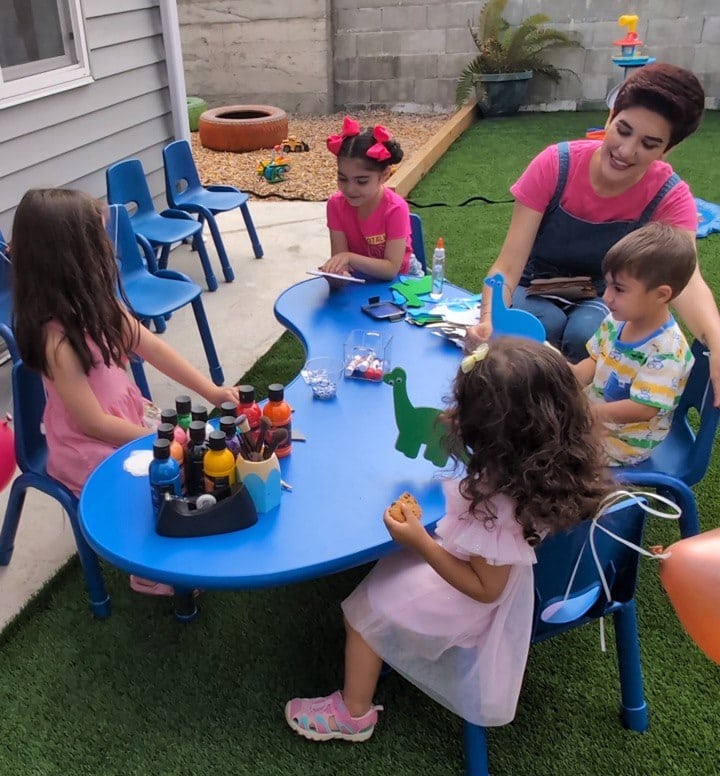
At Rose Child Care Center, we believe that every child’s emotional well-being is as important as academic learning. That is why our Montessori program includes weekly purposeful play sessions guided by a visiting child psychologist. Through observation, play, and gentle interaction, children learn how to express emotions, develop empathy, and build resilience. These sessions are an essential part of our holistic approach to early education, helping young learners feel confident, calm, and connected as they explore the world around them.
What Makes Montessori Classrooms Ideal for Emotional Growth
Montessori classrooms naturally encourage independence, collaboration, and respect, all of which are key elements of emotional development. Children learn at their own pace in a calm, structured environment that values their individuality. By combining self-directed learning with guided emotional support, our educators and psychologist work together to help each child understand feelings, manage frustration, and celebrate small successes.
The Role of Our Visiting Child Psychologist
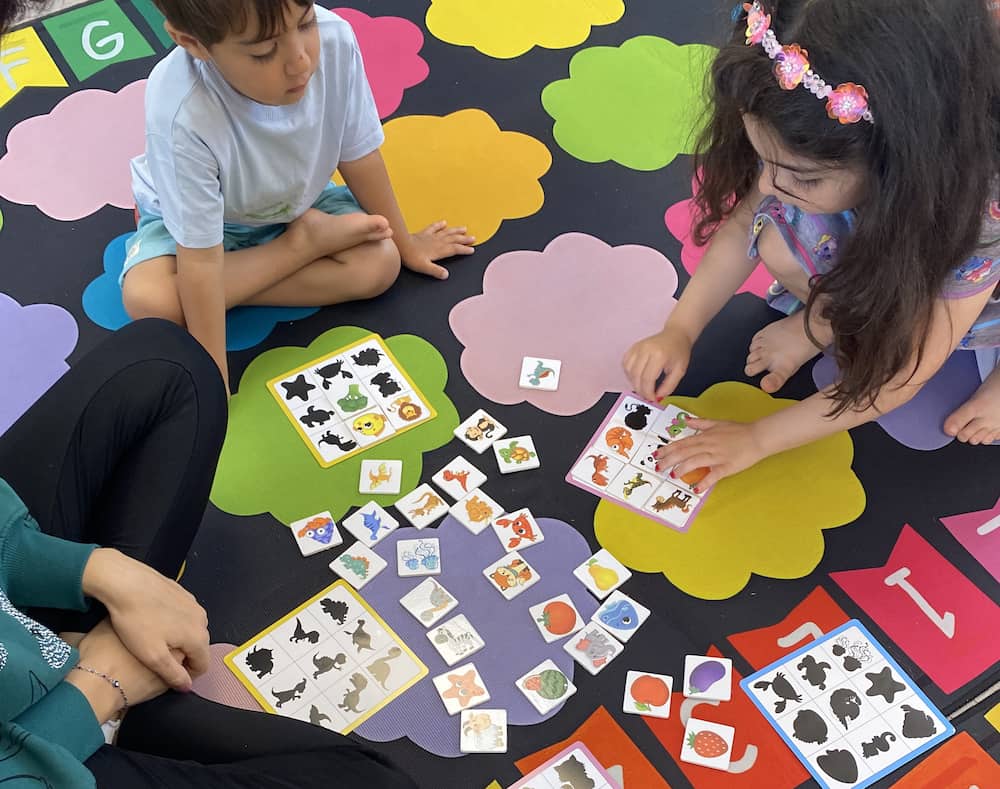
Once a week, our visiting child psychologist joins the classroom to lead purposeful play sessions. These sessions are carefully designed to nurture emotional intelligence and social awareness through storytelling, art, and role-play. The psychologist observes group dynamics, helps children navigate emotions such as joy or disappointment, and supports our teachers in creating emotionally safe spaces for every learner.
Purposeful Play in Action
-
Story-based activities that teach empathy and patience
-
Group games that encourage cooperation and turn-taking
-
Emotion cards and art projects for self-expression
-
Gentle mindfulness exercises to build focus and calm
How Children Benefit from Psychologist-Guided Play
-
Better communication skills: Children learn how to name and express feelings.
-
Improved confidence: They gain a sense of belonging and accomplishment.
-
Stronger friendships: Social understanding grows through shared activities.
-
Emotional awareness: Children recognize and manage their emotions naturally.
Each of these outcomes supports what Montessori learning strives for: independence, harmony, and joy in discovery.
Keeping Parents Connected to Their Child’s Progress
At the end of every month, families receive a personalized progress report based on their child’s participation and development during these sessions. These reports help parents understand emotional milestones and how to support growth at home. It is a transparent and caring way to ensure each child’s well-being stays at the heart of their learning journey.
Supporting Families in North Vancouver and Lonsdale
Located in the heart of Lonsdale, Rose Child Care Center serves families across North Vancouver, Lynn Valley, and nearby communities. Our Montessori environment, guided by professionals and enriched through emotional learning, gives children the foundation they need for lifelong confidence and curiosity.
Conclusion
Emotional development is the cornerstone of lifelong learning. By integrating the expertise of a visiting child psychologist into our Montessori classrooms, Rose Child Care Center helps children grow not only in knowledge but also in heart. Through play, reflection, and gentle guidance, we nurture happy, confident learners who are ready to thrive in school and in life.